August 7, 2026
The next opportunity is not a property type. It is a value-creation advantage.
Every meetup or every investor lunch always turns into the same question: what do you see working these day? Where do you see the biggest predictable returns? Where should I put my money?
First thing first: stop asking for the next “Big Thing”! Real estate get rich quick schemes got popularized with so many TV shows, books, social media posts, and gurus selling their courses and seminars, small investors with no savings started picturing themselves as the next real estate tycoon if they can only find that one “Big Deal”.
The tempting answer is to name the next fashionable product: build-to-rent, ADUs, workforce housing, small subdivisions, private lending, or whatever happens to be filling conference panels this month. But that answer would be incomplete. A product type is not a strategy, and fashionable real estate has a habit of becoming overpriced real estate very quickly.
Money is patient right now. It can sit in income funds, Treasury instruments, private credit, public equities, or alternative assets while it waits for a convincing opportunity. Real estate is competing for that capital, and ‘we have a property’ is no longer a sufficient reason to invest.
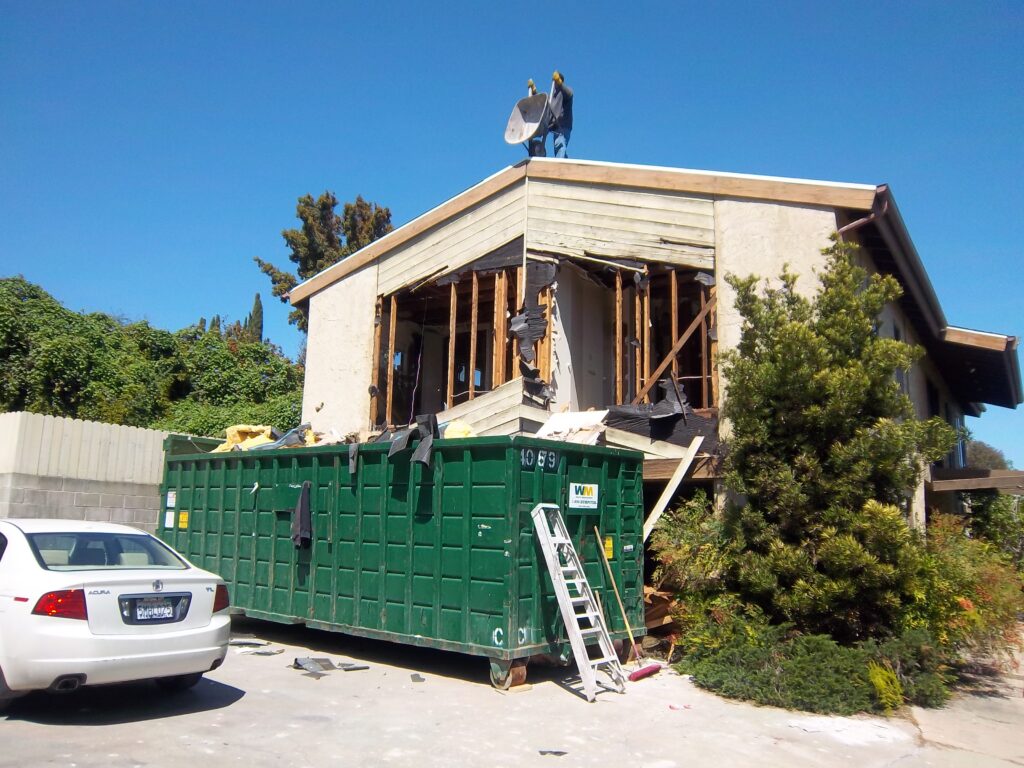
The market is crowded, but opportunity has not disappeared
There is no broad category of easy money left in Southern California. Too much capital, information, and competition can identify an obvious deal within hours. Anything worthwhile usually requires specialization, patience, and the ability to solve a problem other buyers cannot solve.
That conclusion is consistent with the themes reported from the recent Bisnow San Diego Multifamily Summit: the prior supply wave is being absorbed, new starts have fallen from their peak, debt is more available than equity, and capital is demanding a stronger story. The especially important observation was that the underserved opportunity lies in missing-middle workforce housing, while many recent deliveries concentrate at the luxury or subsidized ends of the spectrum.
Yet ‘missing middle’ is not magic language. A Class A podium project does not belong in every neighborhood, and a fourplex does not become profitable simply because four units sound better than one. Product must fit the submarket.
Basis is the beginning of the return
We cannot control interest rates, the economy, future buyers, rent growth, or the next political surprise. The variable we control most directly is the basis at which we enter the deal. If we overpay, every subsequent assumption has to behave. If we buy or create at the right basis, the project has room to absorb imperfect execution and an imperfect market.
This is why ordinary fourplexes frequently disappoint today. At a retail acquisition price, the rent may not support the mortgage, taxes, insurance, maintenance, management, and reserves. The buyer is not purchasing income so much as purchasing a hope that appreciation will eventually correct the original mistake.
| Investor reality: If the spreadsheet requires aggressive rents, perfect occupancy, cheap construction, a quick near-perfect execution, and a generous cash rich buyer at the exit, it is not a conservative investment. It is a spreadsheet hope. |
What has the strongest logic now
The opportunities I favor generally fall into three groups.
1. Manufacture value
Lot splits, entitlements, density increases, square-footage additions, small subdivisions, adaptive reuse, and carefully selected new construction can create value that did not exist at acquisition. These strategies require time and expertise, especially dealing with the local red tape and approvals, but that difficulty is precisely what limits competition and creates bigger margins.
2. Solve a difficult situation
Auctions, foreclosures, vacant properties, stalled construction, seller bailouts, broken partnerships, code problems, and creative seller-financing situations can offer compelling basis. The discount is earned by bringing certainty, construction knowledge, capital, and a credible exit path.
3. Be the capital – carefully
Private lending and structured capital can produce attractive income when collateral, leverage, borrower competence, reserves, maturity, and remedies are disciplined. A high coupon is not protection. The real protection is a basis at which the lender can survive becoming the owner.
The Deal Wheel still turns
California investor and educator Bruce Norris popularized his “Deal Wheel” several decades ago: a visual tool to help you understand how investors shift acquisition channels as the market changes. In an appreciating environment, absentee owners, vacant properties, expired listings, small builders, and lender relationships may produce opportunities. As appreciation slows and distress rises, auctions, REO agents, government inventory, stale MLS listings, property managers, and attorneys become more important.
Its best lesson is not the individual list. It is adaptability. San Diego does not move in lockstep with Riverside, Phoenix, or the national headline. Even two San Diego neighborhoods can have different supply, customer, regulatory, and affordability dynamics. The investor who uses one acquisition strategy in every cycle is not being consistent. He is refusing to learn and to adapt.
Patience is an investment strategy
‘Don’t do a deal just to do a deal’ may be the least exciting advice in real estate, and one of the most profitable. Pushing rents, shrinking contingencies, accelerating schedules, or inventing an exit value does not make a project feasible. It makes the disappointment arrive later.
The objective is to examine more opportunities, reject most of them, and act decisively when the basis, product, team, timing, and exits align. That is not inactivity. It is professional patience.
Why Greenbuild First Look
That is the reason I am developing Greenbuild First Look. Many investors have capital but do not have the time, construction capability, entitlement experience, or local deal flow to execute value-add projects. I have operating capability and opportunities, but I can only capitalize and execute a limited number on my own.
First Look is intended to bring those capabilities together. It is not a promise that every opportunity will work, nor a machine designed to keep investor money continuously deployed. Its value is the discipline to screen many situations, reject weak ones, and pursue the few where the group has a genuine advantage.
Alex Lisnevsky